Thursday, July 23, 2026

सार्वभौमसत्ताको अवमूल्यन: नेपालमाथि भारतको चौतर्फी अतिक्रमणको खाका

नेपालको भू-राजनीतिक अस्तित्व इतिहासकै सबैभन्दा कठिन परीक्षाबाट गुज्रिरहेको छ। आगामी दुई दशकमा, एक शान्त तर योजनाबद्ध प्रादेशिक पुनर्संरचनाले नेपालको सार्वभौमसत्तालाई समाप्त पार्ने खतरा देखिन्छ। कुनै अचानक र प्रत्यक्ष सैन्य आक्रमणको सट्टा, यो प्रक्रिया गणना गरिएको आर्थिक नाकाबन्दी, प्रायोजित आन्तरिक अस्थिरता र लक्षित सीमा परिवर्तन मार्फत सञ्चालन भइरहेको छ। बेला बेलामा देखिने क्षेत्रिय राजनीतिज्ञहरु ले देखाएको सांस्कृतिक नाटक पनि यहि पटकथाको मञ्चण हुन झैं देखिन्छ ।

उपनिवेशीकरण वा गाभिने यो दीर्घकालीन खतरालाई बुझ्नका लागि हामीले चारवटा विशिष्ट भौगोलिक तथा रणनीतिक मोर्चाहरू र यसलाई मलजल गर्ने आन्तरिक राजनीतिक विश्वासघातको विश्लेषण गर्नुपर्छ।


पहिले कुरा गरौ पूर्वी मोर्चाको - कोशी विभाजन र 'चिकेन्स नेक'को रणनीति - पूर्वमा, अन्तिम रणनीतिक उद्देश्य पूर्वी नेपाललाई कोशी नदीभन्दा बाहिर धकेल्नु हो। यो कदम भारतको सिलीगुडी कोरिडोर (जसलाई लोकप्रिय रूपमा "चिकेन्स नेक" भनिन्छ) को गम्भीर संवेदनशीलतासँग जोडिएको छ। यो साँघुरो जमिनको पट्टीले भारतको मुख्य भूमिलाई उसका उत्तर-पूर्वी राज्यहरूसँग जोड्दछ, जुन चिनियाँ प्रभाव भएका क्षेत्रहरूको निकै नजिक छ।

कोशी पूर्वको नेपाली क्षेत्राधिकारलाई कमजोर पारेर बफर जोन बनाउन बाध्य पार्दै, नयाँ दिल्लीले आफ्ना उत्तर-पूर्वी राज्यहरूमा निर्बाध सैन्य र आपूर्ति मार्ग बनाउने लक्ष्य राखेको छ। यो रणनीतिको दुईवटा उद्देश्य छ । यसले एकातिर चीन विरुद्ध आफ्नो कमजोर पक्षलाई सुरक्षित गर्दछ भने अर्कोतिर वरपरका मैदानहरूमा हुने सीमापार जनसांख्यिकीय परिवर्तन र कथित बंगलादेशी घुसपैठलाई निस्तेज पार्छ।


दोश्रोमा आउंछ दक्षिणी मोर्चा - मधेश प्रदेशको अस्थिर राजनीतिक वातावरण कुनै भवितव्य वा आन्तरिक असफलता मात्र होइन; यो नियन्त्रण कायम गर्ने एउटा योजनाबद्ध हतियार हो। गहिरो सामाजिक तहगत संरचनाको फाइदा उठाउँदै, दक्षिणका केही सीमित कथित जातिवादी राजनीतिक खेलाडीहरूले तनाव भड्काएका छन् र यस क्षेत्रलाई भित्रैबाट अस्थिर बनाउन स्थानीय प्रोक्सी (प्रतिनिधि) को रूपमा काम गरिरहेका छन्।

यस निर्देशित अस्थिरताको अन्तिम लक्ष्य यस क्षेत्रको विशाल प्राकृतिक स्रोतहरूमाथि पूर्ण नियन्त्रण सुरक्षित गर्नु हो। मधेशलाई आफ्नो अधिनमा राख्दा त्यहाँको गिट्टी, बालुवा र काठको अनन्त आपूर्तिमा प्रत्यक्ष पहुँच मिल्छ, तल्लो तटिय भारतीय राज्यहरूलाई असर गर्ने बाढीको पानीमाथि पूर्ण कमाण्ड प्राप्त हुन्छ, र नेपालको सबैभन्दा उर्वर कृषि भूमिमाथि अघोषित स्वामित्व कायम हुन्छ।


अनि तेश्रोमा आउंछ सांस्कृतिक मोर्चा - लुम्बिनी / बुद्धत्व मेटाउने र आत्मसात गर्ने रणनीति - प्रादेशिक चोरी भौतिक रूपमा मात्र हुँदैन; यो सांस्कृतिक रूपमा पनि गहिरो हुन्छ। लुम्बिनी प्रदेशका केही भागहरूले एक सूक्ष्म र क्रमिक आत्मसातीकरणको सामना गरिरहेका छन्, जसको उद्देश्य गौतम बुद्धको जन्मस्थललाई भारतीय प्रभाव भित्र समेट्नु हो।

यो सांस्कृतिक नक्कलको रणनीति मार्फत कार्यान्वयन भइरहेको छ। समानान्तर ऐतिहासिक स्मारकहरू निर्माण गरेर, प्राचीन वास्तुकलाका विशेषताहरू नक्कल गरेर, र भारतभित्रका स्थानीय ठाउँहरूको नाम कपिलवस्तु र लुम्बिनी राखेर एउटा कृत्रिम ऐतिहासिक भाष्य खडा गरिँदैछ। समयसँगै, यसले बुद्धको पहिचानलाई सार्वभौम नेपाली भूमिबाट अलग गर्ने र अन्ततः राजनीतिक एवं आध्यात्मिक विलयलाई सामान्य बनाउने चेष्टा राख्दछ।


र, अन्तमा चौथौ र अहिलेका अत्यन्त विवादित पश्चिमी मोर्चा - लिम्पियाधुरा र लिपुलेकको रणनीतिक कोरिडोर - सुदूरपश्चिमको सिमाना—विशेष गरी लिम्पियाधुरा, कालापानी र लिपुलेक भञ्ज्याङ—सबैभन्दा स्पष्ट र बढी चर्चामा रहेको अतिक्रमणको बिन्दु हो। यो उच्च हिमाली त्रिदेशीय जंक्शन एक अमूल्य भू-राजनीतिक सम्पत्ति हो।

यस भञ्ज्याङमाथिको नियन्त्रणले मानसरोवरसम्म प्रत्यक्ष, निर्बाध पहुँच दिन्छ र चीनसँगको व्यापारको लागि महत्त्वपूर्ण प्रवेशद्वारको रूपमा काम गर्दछ। यो विवादित क्षेत्रमा स्थायी सैन्य उपस्थिति स्थापना गरेर र सडकहरू निर्माण गरेर, नेपालको ऐतिहासिक दाबीहरूलाई जमिनमा निर्मित पूर्वाधारहरूद्वारा ओझेलमा पारिँदैछ, जसले काठमाडौंलाई आफ्नै भौगोलिक गन्तव्यबाट बाहिर धकेल्दैछ।


नागरिक समाजका अगुवा भनेर चिनिने बुद्धिजीवीको  आन्तरिक विश्वासघात र माइतीघर मण्डलाको ध्यान भटकाउने खेल यस संकटको सबैभन्दा दुखद पाटो नै नेपालकै सिमाना भित्रको आन्तरिक मिलोमतो हो। एकातिर सिमानाहरू मिचिँदैछन् भने अर्कोतिर देशको बौद्धिक क्षेत्र नराम्ररी प्रभावित भएको छ।

'मार्टिन चौतारी' जस्ता केहि अरु पनि सम्भ्रान्त छलफल मञ्चहरूमा, ठूलो रकम प्राप्त गर्ने राजनीतिक विश्लेषकहरूको एउटा वर्गले "सद्भाव" र द्विपक्षीय सहयोगको भाष्य बुनिरहेका छन्, जसले कूटनीतिको आडमा भइरहेको आक्रामक विस्तारवादलाई लुकाउने काम गर्छ। साथै, जनताको आक्रोशलाई नियतवश गलत दिशामा मोडिँदैछ। सर्वसाधारण नागरिकहरूलाई स्थानीय सरकार विरुद्ध आक्रोश पोख्न माइतीघर मण्डलामा सामान्य विरोध प्रदर्शनतर्फ डोर्‍याइँदा, सिमानामा रहेको वास्तविक र अस्तित्वगत खतरा भने ओझेलमा परिरहेको छ।


जेन-जी आन्दोलन र दुई-तिहाई निकटको ऐतिहासिक बहुमत - अर्को सपनाको ब्यापार - नेपालको आन्तरिक परिदृश्यमा यतिबेला एउटा ठूलो परिवर्तन आइसकेको छ, जसको अनुमान पुराना भू-राजनीतिक खेलाडीहरूले गरेका थिएनन्। दशकौंदेखि, पुराना र भ्रष्ट राजनीतिक दलहरूले आफ्नो व्यक्तिगत स्वार्थ र सत्ता लम्ब्याउनका लागि देशको सार्वभौमसत्तालाई बार्गेनिङ चिप (सौदाबाजीको साधन) बनाए। यो स्थितिलाई युवा र जेन-जी को नेतृत्वमा भएको अभूतपूर्व आन्दोलनले पूरै उथलपुथल पारिदियो।

प्रणालीगत भ्रष्टाचार र विदेशी शक्तिहरूसामु लम्पसार पर्ने नीतिको विरुद्धमा नेपालका युवाहरूले मतपेटिकामार्फत बलियो प्रहार गरे। यसै आन्दोलनको जगमा भएको पछिल्लो आम निर्वाचनमा इतिहासकै सबैभन्दा ठूलो फेरबदल देखियो, जहाँ एउटै मात्र नयाँ पार्टीले संसदमा दुई-तिहाई निकटको प्रचण्ड बहुमत हासिल गर्‍यो। इतिहासमै पहिलो पटक परम्परागत र पुराना शक्तिहरू यसरी पूर्ण रूपमा बढारिए, जसले प्रमाणित गर्‍यो कि देशको अस्मिता मिचिँदा आँखा चिम्लिने भ्रष्ट शासकहरूलाई नयाँ पुस्ताले अब कत्ति पनि सहन गर्ने छैन।


यसै संग नयाँ राजनीतिक शक्तिलाई भारी जिम्मेवारी आइलागेको छ । यस ऐतिहासिक र बलियो जनादेशले नयाँ राजनीतिक शक्तिलाई सत्ताको बागडोर त सुम्पिएको छ, तर यो असाधारण विजयसँगै एउटा ठूलो ऐतिहासिक जिम्मेवारी पनि आएको छ। दुई-तिहाई निकटको यो एकल बहुमतले नयाँ नेतृत्वलाई अब कुनै पनि परम्परागत दलसँग सम्झौता गर्ने वा "अस्थिर गठबन्धन" को बहाना बनाउने ठाउँ बाँकी राखेको छैन। तिनीहरू अब नेपालको सार्वभौमसत्ता र भूगोलका एकल र मुख्य रक्षक हुन्।

उनीहरूको प्राथमिक जिम्मेवारी दुईवटा छ:

#आन्तरिक भ्रष्टाचारको पूर्ण अन्त्य गर्ने: जसले गर्दा एउटा यस्तो आत्मनिर्भर अर्थतन्त्र निर्माण होस्, जसलाई कुनै पनि विदेशी आर्थिक नाकाबन्दीहरूद्वारा सजिलै गलाउन वा ब्ल्याकमेल गर्न नसकियोस्।

#अविचलित डिजिटल-युगको परराष्ट्र नीति स्थापना गर्ने: राष्ट्रिय शक्तिको बलियो जगमा उभिएर विदेशी अतिक्रमणलाई दृढताका साथ अस्वीकार गर्ने र ऐतिहासिक तथ्यका आधारमा सीमा सन्धिहरूको पुनरावलोकन गर्ने।


आगामी दशकमा नेपाली जनताको अपेक्षा अहिले इतिहासमै सबैभन्दा बढी र प्रष्ट छ। एकल दुई-तिहाई निकट बहुमत पाएको यो सरकारबाट जनताले पारदर्शी शासन, सिमानाको डिजिटल र भौतिक निगरानी, र विगतको आत्मसमर्पणवादी कूटनीतिको तत्काल अन्त्यको माग गरिरहेका छन्। जेन जी र आम नागरिकहरूले यी नयाँ नेताहरूबाट कोशीदेखि लिपुलेकसम्मको प्रत्येक इन्च भूमिको दृढतापूर्वक रक्षा गरेको हेर्न वास्ता राखेका छन्; साथै काठमाडौंका बैठक कोठाहरूमा देशको हित बेच्ने सम्भ्रान्त बौद्धिक वर्गलाई खुला रूपमा नग्न पारेको हेर्न चाहन्छन्।


यदि यो दुई-तिहाई निकट बहुमत पाएको नयाँ राजनीतिक शक्तिले पनि जनताको अपेक्षा पूरा गर्न सकेन भने, सडक र सदन दुवैबाट युवाहरू उनीहरूलाई पनि आफ्ना पूर्ववर्तीहरू जस्तै उखेलेर फ्याँक्न पूर्ण रूपमा तयार छन्। आगामी दुई दशकमा नेपालको भविष्य यस कुरामा निर्भर गर्दछ कि यो नयाँ नेतृत्वले युवाहरूको जोश र यो विशाल चुनावी शक्तिलाई राष्ट्रिय सार्वभौमसत्ताको अकाट्य ढालमा रूपान्तरण गर्न सक्छ या सक्दैन।

Wednesday, June 24, 2026

Finding Resilience in the Pages of Marjan Kamali’s "The Lion Women of Tehran"

image.png

Every once in a while, a book comes along that doesn’t just entertain you; it completely shatters your emotional defenses and rewrites a piece of your heart. Marjan Kamali’s The Lion Women of Tehran is exactly that kind of rare, luminous masterpiece. It has been years since a novel has touched me so deeply or forced me to pause my reading so frequently just to catch my breath and hold back tears.


This story is an intimate, fierce exploration of a devoted female friendship that spans decades, surviving the brutal tides of political upheaval, shifting social classes, and the deep complexities of loyalty. Walking alongside these characters felt less like reading fiction and more like witnessing the vulnerable, raw truths of human connection.


The emotional weight of this book sneaks up on you, building quietly until it carries the force of a tidal wave. I found myself profoundly moved by the sheer depth of love and sacrifice woven into the narrative, particularly during the devastating and beautifully written final chapters.


There is a public service warning that absolutely must accompany this book: do not attempt to read the final 100 pages in public. If you are reading this on your daily commute, your fellow passengers will have no idea why you are suddenly weeping into the pages.


Out of respect for future readers, I refuse to summarize the specific plot points or spoil the ending here. 

The magic of this book lies in experiencing its heartbreak firsthand. 

Go read it.

* ** * ** *

(just make sure you have a box of tissues close by)

Sunday, June 07, 2026

A Linguistic Masterpiece and True Cultural Authority


image.png Maithili: Some Aspects of Its Phonetics and Phonology stands as a definitive, scientifically rigorous study of the standard Maithili dialect. Spoken by over 21 million people (approximately 35 to 45 million people worldwide as per present data) across Bihar, India, and the Tarai region of Nepal, this Indo-Aryan language is examined through its core structural, acoustic, and morpho-phonological elements. Across eight chapters, the book covers speaker demographics, genetic classification, and phonetic histories, while offering highly technical data on vowel/consonant distinctiveness, acoustic features, and generative phonology frameworks.

This phenomenal work is authored by Dr. Sunil Kumar Jha, a widely celebrated and deeply respected figure in academia. On a personal note, he is also a highly revered and cherished member of our family (aka Gulab Kaka), making the reading of this authoritative text an immense point of pride. 
Born in Gotham village near Rajbiraj (Nepal), he is a native speaker of the standard Maithili dialect investigated in this book. Dr. Jha dedicated his professional life to teaching English and linguistics at Tribhuvan University, shaping generations of scholars.

Linguistic Truth vs. Modern Political Myths
Crucially, Dr. Jha’s rigorous data underscores Maithili's status as a completely independent, indigenous language of the region. From an objective historical and etymological standpoint, there is no valid linguistic record or trace of the word "Madhesh" being used natively to describe an ethnicity or language group.
Instead, the book's deep dive into regional historical boundaries highlights that the term "Madhesh" has only been introduced in contemporary times as a political propaganda device. It holds no genuine historical, cultural, or indigenous descriptor status for the authentic Maithili-speaking population.
This book is a must-read for any linguist, historian, or student looking to understand the true, untainted cultural and linguistic heritage of the region.
Highly recommended!

Monday, January 26, 2026

A ride to "McCluskieganj"

In "McCluskieganj", Vikash Kumar Jha weaves a poignant tapestry of history and longing centered on the world's only Anglo-Indian village. Having lived in this unique pocket of Jharkhand (then Bihar), for a few years during the early 90s, I found the narrative deeply emotional; it served as a nostalgic bridge back to the misty lanes and colonial charm of my own past.

The book, originally written in Hindi, was translated into English by an English professor. While the translation is scholarly, it is laden with sophisticated vocabulary. For younger readers or those looking to build their lexicon, this is an asset. However, for a reader seeking a fluid narrative, these "speed breakers" often require a dictionary, which occasionally distracted me from the atmospheric storytelling. 

The plot's strength lies in its historical grounding and character arcs. The first half moves at an average pace, but the story truly finds its heart in the second half when Robin arrives to work. The shift in energy is palpable and wonderful. The most compelling element is Neelmani's evolution. Her rise in political awareness is masterfully handled, transforming her from a witness to a participant in her community's fate. 

My primary critique is the ending. The tragic demise of Robin and Neelmani's unresolved fight for her cause feels abrupt. This lack of a "close out" left me slightly disappointed and yearning for more closure. Despite the heavy vocabulary and the bittersweet ending, "McCluskieganj" is a vital read for anyone interested in the fading legacy of the Anglo-Indian community. 

It is a soulful, four-star journey that I highly recommend to all readers.
Overall Rating: ⭐⭐⭐⭐

Monday, January 12, 2026

Morgan Housel’s "The Psychology of Money"

Starting the new year with Morgan Housel's - The Psychology of Money is an excellent way to reset financial mindset and release the "mental clutter" of past mistakes.
Rather than focusing on complex formulas or stock picking, Housel explores the emotional and behavioral side of finance, making it a perfect guide for a "fresh start" in the New Year.

Housel argues that doing well with money is a "soft skill" where how you behave is far more important than what you know. This point you to follow 'Behavior Over Intelligence.'

The book emphasizes that "no one is crazy" - our past financial decisions were based on our unique life experiences at the time. Understanding this allows you to release guilt over old mistakes and start the new year with a clean slate, and release past clutter. A central lesson for a fresh start is learning to stop the "moving goalposts" of social comparison.

Recognizing when you have "enough" helps reduce financial anxiety and your focus on what truly brings happiness: control over your time. The book distinguishes between being "rich" (visible spending) and being "wealthy" (unspent assets and options). This shift in perspective is crucial for releasing the clutter of consumerism and building lasting security. Advocating "Wealth is Invisible".

Success often comes from staying in the game long enough for compounding to work. Housel advocates for a "survivalist" mindset - prioritizing being "financially unbreakable" over chasing high returns.  

Reading this as the first book of the year allows me to replace rigid, often intimidating financial "to-dos" with a sustainable, flexible mindset. It is invited to be "reasonable" rather than "rational," acknowledging that the best financial plan is simply the one that one can actually stick to throughout the year.

It's a great first read for 2026.

Sunday, December 14, 2025

"Kaikeyi" by Vaishnavi Patel

The book offers a modern, feminist retelling of an epic tale, but it may not appeal to all readers due to specific stylistic choices and narrative deviations. The narrative employs a sophisticated vocabulary, which some readers find makes for an uncomfortable and disjointed reading experience. However, this same characteristic makes it a valuable read for younger learners seeking to expand their vocabulary.

The romanized spelling choices for certain traditional terms are a notable point of contention. For example, using "Radnyi" instead of "Rani" may be confusing for readers familiar with the original terminology, as the 'd' letter can significantly alter the pronunciation and meaning.

The novel takes significant liberties with established mythology, which may frustrate those seeking a more traditional interpretation. Specific plot points, such as Ravan's connection to Kaikeyi, Sita's lineage, and the characterization of Rama, diverge considerably from the source material. While it is a work of fiction, these deviations can be seen as "rubbish" by some readers who feel the story has moved too far from its mythological roots.

Ultimately, the book is a divisive read. Many feel it is a less-than-average novel that can easily be skipped without missing out on anything significant.
***
https://www.goodreads.com/review/show/7175604900 

Thursday, September 25, 2025

The Apple Cart - A Political Extravaganza (George Bernard Shaw - 1928)

George Bernard Shaw's The Apple Cart- A Political Extravaganza, published in 1928, is a shockingly relevant political satire that proves humanity has learned little about governance in the 95 years since its premiere. In a world of corporate influence, cynical politicians, and populist fervor, Shaw's play feels less like a historical artefact and more like a live broadcast from today's political stage.


The story chronicles a fictional English king, Magnus, as he engages in a power struggle with his democratically elected Prime Minister and his cabinet. The ministers, driven by self-interest and corporate backers, attempt to strip the king of his right to speak publicly, effectively reducing him to a powerless figurehead. This is no noble clash of ideologies, but a shrewd game of manipulation, where all parties are more concerned with their own authority and public perception than with serving the people.

Shaw's genius lies in his brutal, unwavering observation that, despite the changing trappings of power, the motivations of those who wield it have remained stubbornly static. He peels back the layers of democratic ideals to reveal the raw, ancient desire for control at its core. The play's piercing wit exposes the fragility of democracy in the face of corporate puppeteering and the rise of charismatic, media-savvy leaders—dynamics that feel perfectly at home in our own time.

For any reader who has grown disillusioned with modern politics, The Apple Cart is a powerful, if disheartening, reminder that the problems plaguing our systems are not new, but ancient. It serves as a sharp, incisive critique of how far we have truly come, suggesting that in our political evolution, we are still very much in the Stone Age.
****

Sunday, July 13, 2025

"Steve Jobs" - Walter Isaacson's worldwide bestselling biography of Apple cofounder.


"…because the people who are crazy enough to think that they can change the world, are the ones who do." These are probably Steve Jobs' most memorable words. And also perhaps, the one that sum him up best.


Walter Isaacson's biography, "Steve Jobs," offers an in-depth exploration of the life and mind of one of the most transformative figures in technology. However, while it is rich in detail, the book occasionally veers into overly verbose territory, particularly when recounting aspects like the iTunes Store and Jobs's personal music preferences. These lengthy sections detract from the broader narrative, as they seem to overshadow critical developments in Apple's product line, such as the evolution of the MacBook Pro, MacBook Air. MacBooks remain some of the most loved machines for personal computing today, with the MacBook Air, and its more premium MacBook Pro siblings being known the world over for their fluid-easy-to-use interface, compact form factors, and super powerful processors.


Isaacson's narrative often dwells on Jobs's personal struggles and dissatisfaction, which, while illuminating, can paint a rather negative portrait of a man who was simultaneously a visionary and an innovator. The emphasis on Jobs's emotional complexities sometimes leaves the reader wanting for a clearer understanding of his contributions to the technological landscape and the progress achieved during his tenure at Apple. There is an opportunity here for a more balanced portrayal that highlights his dedication to the evolution of technology over the past two decades, especially given the profound impact Apple has had on the world.


Looking back, Steve Jobs' legacy today is far-reaching, still responsible for shaping the way the tech industry works to this day, and even the way we live, work, communicate, educate, and entertain in our everyday lives.


His pursuit of perfection and emphasis on simplicity, with the user's experience at the core of his ideology, has set a standard that several other players in the industry aspire to, till date.


On a more poignant note, Isaacson does delve into Jobs's illness, capturing the care and support he received from family, friends, and colleagues during those challenging times. This aspect of the narrative serves as a reminder of the human side of Jobs, providing a touching contrast to the relentless drive and ambition he exhibited throughout his career.


In summary, while "Steve Jobs" is a comprehensive account of a remarkable life, its focus on minutiae can sometimes detract from the broader themes of technological evolution and innovation, leaving readers craving a clearer depiction of Jobs's lasting legacy in the context of the modern world.

Rating: *****


"Thank you for Leaving" by Rithvik SIngh

"Second chances aren't a bad idea, but some people are just bad people, and no matter how much you break yourself for them, they're going to make you feel bad about yourself—they will break your heart all over again."


Thank you for Leaving by Rithvik Singh, this book presents an ambitious attempt at capturing the complexities of teenage emotions and experiences. However, despite its potential, the book feels somewhat like the work of an amateur. The author's effort to blend poignant moments with relatable teenage dialogue often falls flat, resulting in a narrative that feels disjointed.

Ultimately, while there are glimpses of talent in Singh's writing, the execution leaves much to be desired. Readers seeking a fresh take on teen narratives may find "Thank You for Leaving" a difficult read, as it struggles to transition from good intentions to a compelling tale.
Rating: *** (Average)

Monday, May 26, 2025

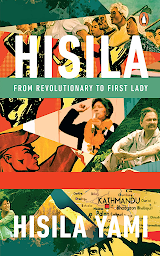
Review of Hisila: From Revolutionary to First Lady


Hisila: From Revolutionary to First Lady presents an intriguing memoir that offers a glimpse into the life of Hisila Yami, a key figure in Nepal's Maoist movement and the wife of former Prime Minister Baburam Bhattarai. The narrative is richly detailed, aiming to paint a picture of her revolutionary zeal and commitment to the so-called "people's war." However, the book failed to gloss over some crucial realities of the Maoist insurgency, particularly the alleged support from external entities like India and RAW, which complicates the narrative of an organic, homegrown revolution.

While the memoir attempts to uplift Hisila's image and contributions, it falters in addressing the moral and ethical paradoxes surrounding the leadership of the Maoist party. The mention of top leaders indulging in behaviors they publicly condemned, such as consumption of alcohol, extramarital affairs, and engaging in dubious financial practices, she herself alleged involvement (abuse of authority) in corrupt dealings while serving as the Minister for Physical Planning (which she tried here to justify), raises questions about the integrity of the movement. Her legal battles against media outlets that reported on corruption are how powerful leaders manipulate information, and also leave readers skeptical about transparency.

The book serves as a stark reminder of the corruption and moral decline that have plagued the Nepalese political landscape in the wake of the Maoist insurgency. Despite the intent to inspire, it is well known that her husband, Baburam Bhattarai, failed to provide true leadership for the people of Nepal, adding a disheartening layer to the falsified narrative tried to explain.

Ultimately, Hisila: From Revolutionary to First Lady is a 'thought-provoking' read that unravels the complexities and contradictions within the Maoist revolution, emphasizing that, for many leaders, the insurgency served more as a pathway to wealth than a genuine quest for social justice. Readers are left pondering the cost of the decades spent embroiled in conflict that has seemingly enriched a few while leaving the broader population in stagnation and despair.
One should read this memoir to know and compare the black part of the so called social revolution.
⭐⭐⭐

Wednesday, April 30, 2025

The Red Sari: A Novel by Javier Moro

Javier Moro's The Red Sari, a compelling and dramatic biography of Sonia Gandhi, pulls readers into the intricate tapestry of Indian politics through the lens of personal tragedy, resilience, and destiny. The narrative offers fascinating insight into the life of Sonia Gandhi, a woman who found herself at the heart of one of the world's largest democracies under extraordinary circumstances.

Reflecting on my journey through the political upheavals of India, the narrative resonated with my childhood experiences during critical moments in Indian history. I was only eight years old in 1984, blissfully unaware of the complexities of politics and foreign affairs, but I remember vividly the shockwaves that followed the assassination of Indira Gandhi, Sonia's mother-in-law, at the hands of her bodyguards. Moro deftly captures this pivotal moment and its aftermath, illustrating how it not only altered the course of Indian politics but also deeply affected Sonia's life.

One of the most commendable aspects of this book is Moro's ability to humanize a figure often shrouded in illusion and political conjecture. He delves deep into Sonia's childhood in Italy, her love story with Rajiv Gandhi, and the immense challenges she faced upon entering Indian politics. The narrative flows effortlessly, combining biographical elements with historical context, which allows readers to appreciate the weight of the decisions Sonia made and the legacy she would eventually inherit.

By the time Rajiv Gandhi was bombed by the LTTE in 1991, I was a teenager, grappling with an awareness of the fragility of life in a politically charged atmosphere. Moro's portrayal of Rajiv's untimely death is not a mere recounting of facts; it is delivered with an emotional weight that underscores the profound loss felt across the nation. For many young Indians like myself, the events of that era catalyzed a deeper understanding of the intertwining of personal and political fates.

Moro also delves into the turbulence of the early 1990s, a period when the Congress Party, once synonymous with Indian governance, began to lose its grip as the BJP alliance rose to power. The destruction of the Babri Masjid in 1992 is a watershed moment that Moro presents not just as a political event but as a bitter reflection of societal divisions. Reading about this phase of Sonia's life, I could feel the palpable sense of instability and loss. It mirrored my teenage years, wherein the ramifications of these events stirred confusion and a yearning for clarity in a rapidly changing world.

However, Moro's writing is not merely a historical account; it is a poignant exploration of Sonia Gandhi's humanity amidst the political chaos. He skillfully interweaves personal anecdotes that create a multi-dimensional portrait of his subject. From her early days in Italy to her rise as the leader of the Congress Party, we see not just a political figure but a woman grappling with loss, duty, and responsibility.

In conclusion, The Red Sari does more than narrate the life of Sonia Gandhi; it serves as a mirror reflecting the seismic shifts in Indian politics over the decades. For readers, particularly those who have witnessed these events unfold, the book resonates with nostalgia and reflection on the complexity of our political landscape. Javier Moro has not only illuminated Sonia's journey but has also invoked memories of a nation in flux—a journey marked by both tragedy and triumph that continues to shape India's destiny. I recommend this book for anyone seeking to understand the emotional and political dynamics that have defined contemporary India.

Tuesday, April 15, 2025

HIPPIE _ by Paulo Coelho

The book's premise – a journey from Europe to Kathmandu filled with exploration and self-discovery – has a lot of potential for rich storytelling. Coelho has a knack for capturing the essence of travel and the human spirit, but it sounds like the execution fell short, particularly in the latter parts of the journey.

Disappointment was raised by the lack of details after Turkey. Given that Hippie sets up such an intriguing premise of traversing cultures and landscapes, it would have been enlightening to read more about the experiences that awaited travelers in the Indian subcontinent and Nepal. These regions are steeped in history, spirituality, and diversity, and leaving them less explored feels like a missed opportunity.

The absence of detailed observations and reflections from India and Nepal is particularly striking, especially since these locations often serve as pivotal points for many travelers seeking enlightenment and introspection. It would have been rewarding to see how Coelho interpreted the vibrant cultures and spiritual nuances of these countries, and how they influenced his journey and personal growth.

Lastly, while the book carries a beautiful message about the quest for connection, love, and meaning, the abrupt transition in the narrative can leave readers wanting more. It's a reminder of how important specific cultural and geographical contexts are when discussing journeys, both literal and metaphorical. Your feedback highlights a crucial component of travel writing: the details that enrich and deepen the experience.

Overall, it seems like Hippie starts with promise but could have been more fulfilling with a deeper exploration of the latter segments of the journey.
Rated 4 Start and expecting another Part-II soon in the coming days.

Monday, April 14, 2025

|| टिपन-टापन ||

#बैशाख_जेठ #गृष्मऋृतु #बिक्रमसंवत #नयाँबर्ष
गृष्म ऋृतुको शुरुआतीमा ठाँऊ अनुसार जुडशिलत, सतुवानि, बैशाखी, सिरुवा, बिशु आदी अनेक नामले यो पर्व चलनमा रहे पनि उद्देश्य र बैभवता समान देखिन्छ ।

शिरमा जल छ्यापेर 'जुड' शितल पार्ने त्यौहार, मिथिलामा 'जुड-शितल' पर्वको आफ्नै बैज्ञानिक महत्व छन । फाल्गुन/चैत्रको उराठलाग्दो हावाहुरीमा परपर फुटेका जमिनका दर्राहरुमा पतझर भएर टिलपिल गरि उभिएका फूलका साना झाडहरु, केहि अलि ठूला बुटाहरु, केहि अलि धेरै ठूला फलफूलका रुखहरुलाई पानी राखेर भिजाउने दिन, तिनका सुख्खा जडामा तिर्खालाई राहत दिई पानी हाली जुडाउने दिन ।

सनातनीहरुको धार्मिक महत्व वाहेक आँगनमा तुलसीको प्रयोग मैथिलहरुको छठिहारी (जन्म) देखि कठिहारी (मरण) सम्मै महत्वपूर्ण रुपमा संगालिएको हुन्छ । गृष्म ऋृतुमा पनि तुलसीको मोठमा हरियो परियो बुटाको महत्व ब्याख्या गरेर साध्य हुदैन ।

अहिले आधुनिक कालमा थोपा-सिंचाई (Drip Irrigation)को तरिका मिथिलामा पौराणिक काल देखि चलि आएको परम्परा रहेको देखिन्छ । बैशाख महिना भरिको लागि माटाको कलश (घैंटो) को पिंधमा सानो छिद्र पारेर त्यसका कुश घुसाएर, कलश भित्रको पानीको प्रवाहलाई थोपा थोपा झर्ने गरि नियण्त्रित गर्ने र तुलसीको मोठमा माथी झुण्डयाउने चलन छ ।

मूल कुरा गर्मीमा कसरी शिर र शरिर शितल राख्ने । बाग बनस्पतीलाई पानी राखेर घामको प्रकोपबाट कसरी जोगाउने । आधुनिक वातानुकुल (Air condition / Refrigerator) परिवेशको आभाव रहेको बेला पकाएको खानेकुरालाई उमसबाट कसरी जोगाउने र सजिलो पाचन हुने पौष्टिक के खाने?
यस पर्वमा पारम्परिक खाद्य सामग्रीहरु :
- गुड साँदेको सातू वा घोलेर बनाईने शर्बत,
- बेसनको बडी र दहि/मोहि राखेको कडी-बडी,
- मुनिगा (सजिवन/drumstick) राखेको दाल,
- आँपको टिकुला र पुदिनाको पात राखेको चटनी, आदी ।

उल्लेखित सरजामबाट बनाईने अन्य खाद्य पदार्थ जुन गर्मीको उमसबाट नबिग्रिने र आँतलाई शितल राख्ने अरू अनेक रेसिपीहरु मिथिलामा प्रसिद्ध छन । यस बाहेक आधुनिक समाजमा अनेक नयाँ परिकारहरु पनि नथपिएका भने होइनन ।

आज देखि अफिसियली 'टिकुला'को कुच्चालाई नुन-खुर्सानी साँदेको झक्का खाने दिन पनि हो, यसलाई पचाउन अलि गाह्रो हुन सक्छ, मात्रा र अनुपातको हिसाब मिलाएर जिब्रोलाई चाहिने ट्वाक्कको स्वाद लिन चै सकिन्छ ।

'टिपनटापन' लेखन कार्यलाई यस बर्ष निरन्तरता दिने प्रयास गर्ने वाचा सहित नव वर्ष बिक्रमसम्बत २०८२ को हार्दिक मंगलमय शुभकामना ।
#श्रीबाबापशुपतीनाथलेहामीसबैकोकल्याणगरुन 🌺
 

Monday, November 18, 2024

आर्थिक उन्नतीको आधार: प्रविधि र पूर्वाधार

हिमालयको काँखमा अवस्थित भूपरिवेष्ठित संघिय गणतांत्रिक देश नेपालले हालैका वर्षहरूमा उल्लेखनीय आर्थिक वृद्धि र विकासमा फडको मारेकोछ । कोरोना महामारी र खराब बैदेशिकनिति र छिमेकी राष्ट्रहरु संगको कूटनीतिक पतनबाट प्रभावित भएर देशले अझै पनि राजनीतिक अस्थिरता र स्रोतसाधनको अभाव जस्ता थुप्रै चुनौतीहरूको सामना गरिरहँदा प्रविधि, पूर्वाधारलगायत विभिन्न क्षेत्रमा उल्लेखनीय प्रगति गरेको छ । यस लेखले नेपालको आर्थिक वृद्धिको आधार खोज्ने र यो वृद्धिलाई अगाडि बढाउन प्रविधि र पूर्वाधारले कसरी महत्त्वपूर्ण भूमिका खेल्छ भन्ने कुराको जानकारि दिन केन्द्रित रहेकोछ।

विगतका दशकमा नेपालले प्राविधिक विकासमा उल्लेखनीय बृद्धि भएको अनुभव गरेको छ, जसले अर्थतन्त्रका विभिन्न क्षेत्रमा सकारात्मक प्रभाव पारेको छ । प्रविधि फस्टाएको प्रमुख क्षेत्रहरू मध्ये एक दूरसञ्चार उद्योग हो। यस क्षेत्रको उदारीकरणले प्रतिस्पर्धा र निजी लगानी बढाउन अनुमति दिएको छ। फलस्वरूप, देशले मोबाइल प्रवेश दर, इन्टरनेट जडान, र सूचनाको पहुँचमा द्रुत वृद्धि देखेको छ।

मोबाइल प्रविधिको आगमनले कृषि, स्वास्थ्य, पर्यटन, शिक्षालगायत सूचना प्रवाहका विभिन्न क्षेत्रमा क्रान्ति ल्याएको छ । किसानहरूले अब मौसमको पूर्वानुमान, बालीका रोगहरू, र बजार मूल्यहरू जस्ता महत्त्वपूर्ण जानकारी आफ्नो मोबाइल उपकरणहरू मार्फत पहुँच गर्न सक्छन्। यसले ग्रामीण समुदायको उत्पादकत्व र सुधारिएको जीविकोपार्जनमा वृद्धि भएको छ। त्यस्तै, स्वास्थ्य सेवा क्षेत्रले टेलिमेडिसिन सेवाबाट धेरै लाभान्वित भएको छ, जसले दुर्गम क्षेत्रका मानिसहरूलाई लामो दूरीको यात्रा नगरी गुणस्तरीय स्वास्थ्य सेवा प्राप्त गर्न सक्षम बनाएको छ। यसबाहेक, डिजिटल साक्षरता र उद्यमशीलता प्रवर्द्धनमा सरकारको जोडले नेपालमा एक जीवन्त प्रविधि स्टार्ट-अप इकोसिस्टम सिर्जना गरेको छ। युवा उद्यमीहरूले ई-कमर्स प्लेटफर्महरूदेखि इ-लर्निङ प्लेटफर्महरू सम्मका सामाजिक समस्याहरूलाई सम्बोधन गर्न नवीन समाधानहरू विकास गरिरहेका छन्। यी पहलहरूले रोजगारीका अवसरहरू मात्र सृजना गर्दैनन्, देशको आर्थिक वृद्धिमा पनि महत्त्वपूर्ण योगदान पुर्‍याउँछन्।

बलियो पूर्वाधार सञ्जाल आर्थिक वृद्धि र विकासको लागि महत्त्वपूर्ण आधार हो। नेपाल सरकारले पछिल्लो समय पूर्वाधार विकासलाई प्राथमिकतामा राखेको छ । आधुनिक सडक सञ्जाल, विमानस्थल, जलविद्युत प्लान्ट र दूरसञ्चार टावरको निर्माणले देशका विभिन्न भागलाई जोड्न, व्यापार र पर्यटन प्रवर्द्धन गर्न र समग्र उत्पादकत्व वृद्धि गर्न महत्वपूर्ण भूमिका खेलेको छ । यातायात पूर्वाधार सुधार, विशेष गरी सडक सञ्जाल, सरकारको लागि मुख्य केन्द्र भएको छ। पूर्व–पश्चिम राजमार्गको सम्पन्नता र उत्तर–दक्षिण राजमार्गको निर्माण कार्यले यातायात खर्चमा उल्लेख्य कमी आएको छ र देशभरका वस्तु तथा सेवाको आवागमन सहज भएको छ । सुधारिएको पूर्वाधारले अन्तर्राष्ट्रिय पर्यटकलाई नेपालको प्राकृतिक र सांस्कृतिक आकर्षणको खोजी गर्न सहज बनाएकोले पर्यटन क्षेत्रमा प्रत्यक्ष वैदेशिक लगानी पनि बढेको छ ।

यसबाहेक, जलविद्युत उत्पादनमा उलेख्य विकास गर्ने सरकारको प्रयासले देशको ऊर्जा आवश्यकतालाई मात्र सम्बोधन गरेको छैन संगै छिमेकी देशहरूमा विद्युत निर्यातको अवसर पनि सिर्जना गरेको छ। यसले विदेशी मुद्रा आर्जन र रोजगारीका अवसरहरू सृजना गर्न ठूलो योगदान पुर्याउने सम्भावना छ । यसमा चुनौती संगै प्रसस्त अवसरहरू हुने नै भए । नेपालले प्रविधि र पूर्वाधार विकासमा उल्लेखनीय प्रगति गरेको भएतापनि थुप्रै चुनौतीहरूलाई सम्बोधन गर्न बाँकी छ । देशले राजनीतिक अस्थिरता, नोकरशाही अवरोध र अथाह भ्रष्टाचारको सामना गरिरहेको छ, जसले विकास आयोजनाहरूको प्रभावकारी कार्यान्वयनमा बाधा पुर्‍याउँछ। थप रूपमा, भौगोलिक रूपमा विविध भू-भागले पूर्वाधार निर्माण र यसको दिगोपन सुनिश्चित गर्ने सन्दर्भमा अद्वितीय चुनौतीहरू प्रस्तुत गर्दछ। यी चुनौतिहरूको बाबजुद नेपालमा थप विकासका लागि महत्वपूर्ण अवसरहरू छन्। पानी, खनिज र जलविद्युतजस्ता प्रचुर मात्रामा प्राकृतिक स्रोतसाधनले भरिपूर्ण मुलुक छ । यी स्रोत साधनको प्रभावकारी उपयोग गरी निजी क्षेत्रको सहभागितालाई प्रवर्द्धन गरेर नेपालले क्षेत्रीय ऊर्जा बजारमा प्रमुख खेलाडीको रूपमा स्थापित भई विदेशी लगानी आकर्षित गर्न सक्छ ।

यसबाहेक, दुई उदीयमान आर्थिक सबल छिमेकी राष्ट्र भारत र चीन बीचको नेपालको रणनीतिक स्थानले व्यापार र लगानीको लागि ठूलो अवसर प्रदान गर्दछ। विशेष आर्थिक क्षेत्रको विकास र लगानीमैत्री नीति कार्यान्वयनमा सरकारको ध्यानाकर्षणले बहुराष्ट्रिय कम्पनीलाई नेपालमा उत्पादन इकाई स्थापना गर्न आकर्षित गरेको छ । यी पहलहरूले प्रविधि हस्तान्तरण, रोजगारी सिर्जना र निर्यात क्षमतामा बृद्धि गर्न सक्छन्।

नेपालको आर्थिक वृद्धिको आधार प्रविधि र पूर्वाधारको विकासमा नै रहेको प्रमाण प्राविधिक विकासले कृषि, स्वास्थ्य, शिक्षा र उद्यमशीलता लगायतका विभिन्न क्षेत्रहरूलाई बढाएकोमा देख्न सकिन्छ। त्यसैगरी सञ्चार सुधार, व्यापार तथा पर्यटन जस्ता शिर्षकलाई प्रवर्धन र सम्बोधनमा पूर्वाधार विकासले महत्वपूर्ण भूमिका खेलेको छ । देशको ऊर्जा आवश्यकताका चुनौतिहरू केहि बाँकी रहे पनि, नेपालसँग थप वृद्धिका लागि महत्वपूर्ण अवसरहरू छन् र आर्थिक विकासलाई गति दिन आफ्नो शक्तिको सदुपयोग गर्न सक्छ। नेपालको आर्थिक वृद्धिको गतिलाई दिगो र सुदृढ बनाउन निरन्तर लगानी र नीतिगत सहयोगसँगै प्रविधि र पूर्वाधार विकासका लागि सक्षम वातावरण सिर्जना गर्ने सरकारको प्रतिबद्धता महत्वपूर्ण हुनेछ ।

नेपालको पर्यटन उद्योगमा देशको अर्थतन्त्र र स्थानीय समुदायको जीविकोपार्जनमा महत्वपूर्ण योगदान पुर्याउने अपार सम्भावना रहेको छ । यद्यपि, यस सम्भावनालाई साकार पार्न पूर्वाधार विकासको लागि लिइने निर्णयहरुले प्रमुख भूमिका खेल्छ। पर्यटकहरूलाई आकर्षित गर्न र उनीहरूलाई नेपालमा अविस्मरणीय अनुभव सुनिश्चित गर्न यातायात, गुणस्तरीय आवास र आतिथ्य सेवाहरूको विकास, प्राकृतिक र सांस्कृतिक सम्पदाको संरक्षण र सूचना र सञ्चार प्रविधिको प्रयोगमा केन्द्रित हुन अति आवश्यक छ। पूर्वाधार विकासमा लगानी गरेर नेपालले आफुलाई प्रमुख पर्यटकीय गन्तव्यको रुपमा अझै ससक्त रूपमा स्थापित गर्न सक्छ, आर्थिक बृद्धिलाई अगाडि बढाउन र आगामी वर्षहरुका लागि दिगो विकासलाई बढावा दिन सक्छ ।

Prakash Jha,
PG in Environmental Engineering
Lead Auditor for ISO 9001, ISO 14001 & ISO 45001
(A wide range of experience in developing, implementing, assessing, managing risk, and tutoring Quality, Environment, and Occupational Health & Safety Management system standards.)


(नोट: ०९ जुलाई २०२३मा खेस्रा गरि नेइएको स्मारिकामा छाप्न पठाएको यो लेख, छापियो छापेन, थाहा जानकारि नआएर / नभएर यता पोष्ट गरिएको हो)

Saturday, March 11, 2023

"सुप्रीमो"

उत्पिडित 
वर्ग संघर्ष 
रगतको आहाल 
उदिप्त नायक ।। 

छापामार, घाईते, 
शहिदको हक 
लेवी, छल, गबन 
रोलेक्स, म्याक्सप्रो, अरमानी ।। 

विलासिताको उँट 
हाइड्रोजन कार 
चाहना श्रीपेंचको 
भोंसडी जनता, 
जय जनगणतंत्र ।। 

 _२७.११.२०७९

(नोट: शिर्षक मसिहा परिवर्तन गरि सुप्रीमो राखिएको ०८.०२.२०८०)

Sunday, February 26, 2023

"ननभेजिटेरियन मदारी"

फोटो सौजन्य: सामाजिक संजाल
बर्वादे गुलिस्ता करनेको

एक हि उल्लु काफी है,
अनि उल्लुको बथानलाई
"पार्लियामेन्ट" भन्छन
सुनेका हामी,
'हर साख पे उल्लु बैठा है'
थाहा पाउदै थियौ
नयाँ नेपाल
'गण'तंत्र नेपाल ।

गुलिस्ताको हालमा
आकुल ब्याकुल हुने गरेको
खासमा यहाँ
रोटीको टुक्रा फाल्दा
झरेको बेग संगै
गुट र दिशा बदली रहने
लोभी बाँदरहरुको हुल रहेछ
नयाँ नयाँ परिकार
नयाँ नयाँ आश्वासन
लोभले लतमन्न
गुलाटी मार्दै
करतव देखाउने ।
फोटो सौजन्य: सामाजिक संजाल

अचेल बजारमा
नयाँ मदारी आएको छ रे,
'ननभेजिटेरियन',
लपक्क टाँसिएका छन
रगतका टाटाहरु
ओठ र हाथहरुमा
अरु सानो पुच्छरबाला ऐपहरुलाई
संगै लगाएर
डमरू बजाउदै नचाउदै छ
चंखे बालकोटलाई,
सुस्त धुमबराही/बुढानिलकण्ठ लाई पनि

फाल्गुन १४, २०७९